The Bird’s Word Blog
Polar Expedition FAQs for Curious Explorers
What You Need to Know About Antarctic & Arctic Adventures
No two polar expeditions are the same, and every trip offers explorers a unique adventure. If you’ve had a polar adventure on your mind, reading our Frequently Asked Questions can be a great place to start.
Journeys International Polar Travel FAQs:
Q1: I’ve already visited Antarctica. Will the Arctic disappoint?
No way! Experiencing one is no substitute for the other. Antarctica is an ice-covered continent surrounded by ocean, famous for its penguins, whales, and enormous glaciers. The Arctic is an ocean surrounded by land, home to astonishingly varied species including polar bears, walruses, reindeer, Arctic foxes, numerous birds, and landscapes that range from sea ice to flowering summer tundra.
 Q2: Which polar expeditions are most popular?
For first-time Antarctic travelers, the classic Antarctic Explorer is a popular type of expedition, combining penguin colonies, glaciers, whales, and Zodiac exploration. In the Arctic, Spitsbergen Highlights is one of our most popular options, offering opportunities to see polar bears, walruses, reindeer, and seabirds amid Svalbard’s spectacular scenery.
Q3: What are the biggest differences between polar itineraries?
Beyond the destinations, itineraries differ in length, time spent exploring versus traveling at sea, activities, and overall focus.
 In Antarctica, a classic Peninsula expedition like Antarctic Explorer introduces you to the continent’s glaciers, penguin colonies, and icy waterways. Crossing the Circle ventures farther south, while longer voyages through the Falkland Islands and South Georgia explore several distinct ecosystems, including enormous seabird and penguin colonies. Active Antarctica Basecamp emphasizes hands-on adventures like kayaking, snowshoeing, and camping.
In the Arctic, you might explore Svalbard’s fjords and wildlife habitats in depth on the Spitsbergen Highlights expedition, visit multiple regions on a Three Arctic Islands voyage, or follow the Northwest Passage, combining spectacular wilderness with Indigenous cultures and polar exploration history. If you don’t see a trip that fits your goals, just ask us about other options.
It’s important to note that polar expeditions follow planned itineraries, but weather, sea ice, and other local conditions can sometimes require adjustments. Expedition leaders may change sailing routes, excursion times, or planned shore landings when conditions demand it, always prioritizing safety. While the itinerary provides a good picture of the intended experience, certain activities and landings cannot be guaranteed.
Q4: Which polar expeditions offer the best wildlife viewing?

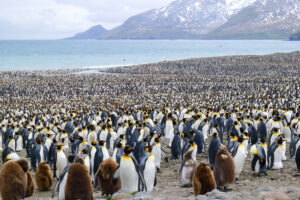
That depends on what you’d most like to see! For extraordinary concentrations and variety of wildlife, the Falkland Islands and South Georgia are especially rewarding, with enormous king penguin colonies, nesting albatrosses, elephant seals, and fur seals. Classic Antarctic Peninsula voyages offer opportunities to see several penguin species, seals, and whales.
For something especially unusual, specialized expeditions to Snow Hill Island (ask us to hear more!) seek out a remote breeding colony of emperor penguins. In the Arctic, Svalbard is particularly appealing for polar bears, walruses, reindeer, and seabirds. Wildlife sightings are never guaranteed, but choosing the right region and season makes a significant difference.
Q5: How much does a polar expedition cost?
Journeys offers Arctic expedition cruises starting around $7,500 per person for Spitsbergen Highlights, one of our most popular trips to the region. Antarctic voyages start around $10,000. Many itineraries fall between $15,000 and $25,000, and some are more. Prices depend on the departure date, route, ship, cabin category, and availability. Get in touch with an Adventure Specialist via the form below to get exact pricing for the journeys you’re interested in.
What accounts for the difference between a $10,000 expedition and one costing $25,000 or more? A longer voyage visiting South Georgia and the Falkland Islands, for example, offers a very different experience from a shorter Antarctic Peninsula expedition. Flying across the Drake Passage, additional days of exploration, and differences in ships and included activities can also affect the price.
Q6: What’s actually included in the price (and what’s not)?
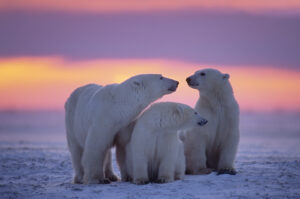
Most expedition cruises include accommodations aboard the ship, meals, expert naturalists, educational presentations, Zodiac excursions, landing permits, and guided shore landings. Some voyages also provide expedition parkas, loaner waterproof boots, hotel accommodations, or transfers. International airfare, travel insurance, gratuities, and certain adventure activities may be additional. We’ll help you compare the complete costs rather than just the advertised fares.
Q7: Do I have to sail across the Drake Passage to reach Antarctica?
No! For those with concerns about seasickness or saving time, itineraries are available that use charter flights to cross the Drake Passage either one way or both ways. However, note that flights may be significantly delayed by poor weather, potentially negating time savings. In some circumstances, prolonged weather delays can even result in the expedition being canceled, so it’s important to understand the operator’s contingency arrangements before booking. Whether you cross the Drake by sea or air, you’ll explore Antarctica aboard an expedition ship.
Q8: What makes an expedition cruise different from a traditional cruise?
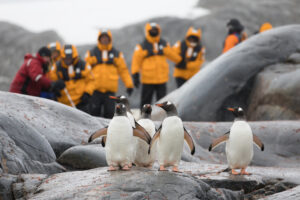
The emphasis is on exploration rather than onboard entertainment. Smaller, specially equipped ships reach remote coastlines, with expert-led Zodiac cruises, wildlife observations, and shore landings often planned twice daily, conditions permitting. Some voyages also offer kayaking, camping, and more challenging hikes. The ship serves as your comfortable base for exploring places that are otherwise difficult to reach.
Q9: Are cruises the only way to experience the polar regions?
 Not in the Arctic. Journeys offers customized land-based adventures in Greenland, Iceland, and Scandinavia. We also offer small-group trips in Churchill, Manitoba, Canada.
In Antarctica, Journeys’ expedition trips explore the region aboard specially equipped ships. Some itineraries allow you to fly across the Drake Passage rather than sail it, but you’ll still board an expedition ship to explore the Antarctic Peninsula.
Q10: Does the time of year really matter?
It does. Most Antarctic expedition cruises operate during the southern spring and summer, generally from October through March, with some departures extending into April. November and December bring penguin courtship and nesting, while January brings growing chicks. February and March can be especially rewarding for whale watching. The Arctic is accessible year-round, but the sights are dramatically different by season, depending on the changing sea ice, amount of daylight, and wildlife activity. Arctic expedition cruises operate across different parts of the year, depending on the region. Spring voyages may feature extensive sea ice, while summer offers longer daylight hours, more open waterways, and active seabird colonies.
Q11: How physically demanding are polar expeditions?
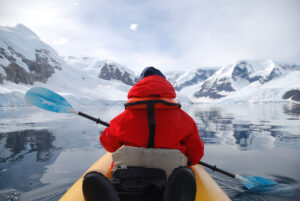
Somewhat. Good balance and mobility are important for getting into and out of Zodiacs, staying upright on a swaying ship, and walking on uneven, snowy, or rocky terrain. Some expeditions offer more demanding adventures, while others provide gentler opportunities for exploration. We’ll help you understand the physical requirements and find a voyage suited to your interests and abilities. If you have mobility limitations or specific accessibility concerns, let us know early so we can help evaluate suitable ships and activities. Some expeditions also require travelers to complete emergency safety procedures, including evacuation, without assistance, so it’s important to understand the requirements of your particular voyage before booking.
Q12: Does the size of a polar expedition ship matter?
Yes, particularly if going ashore is important to you. In Antarctica, ships carrying more than 500 passengers aren’t permitted to make any landings at all. Expedition vessels may have no more than 100 visitors ashore at a single site, although ships with 100-220 passengers are often able to arrange simultaneous off-board activities for all passengers with a mix of shore excursions, kayaking, and zodiac-based wildlife watching.
Smaller ships may offer a more intimate experience and efficient shore operations, but slightly larger boats may have more available activities, experts, and onboard amenities. We can help you compare these differences when choosing a ship.
Q13: How far in advance should I book a polar expedition?
Beginning your planning a year or more in advance can be worthwhile, particularly for popular departure dates, specific cabin categories, specialized wildlife experiences, or activities with limited availability.
There can still be excellent options closer to departure, especially if your dates and ship preferences are flexible. However, planning early generally gives you more choices and time to arrange international flights and other travel details.
Q14: Will I get seasick on a polar expedition cruise?
Not most people. Sea conditions vary considerably depending on your route and the weather. The Drake Passage can be particularly rough, although crossings may also be relatively calm. Modern expedition ships often have stabilization systems, but no vessel can eliminate movement entirely.
If you’re prone to motion sickness, discuss prevention options with your healthcare provider. Many people avoid symptoms by applying medicated skin patches before departure. Also ask us about itineraries that minimize exposed ocean crossings.
Q15: How cold is it on a polar expedition, and what should I pack?
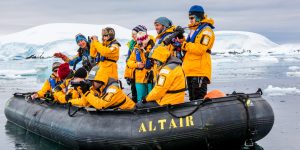 Temperatures vary considerably by destination and season. Antarctica in the southern summer is about as cold as a Midwestern winter. Parts of the Arctic can reach 50°F in the summer, but fall below -20°F in the winter. In all polar areas, wind and wet conditions can make it feel much colder than the thermometer indicates. Layering is key to your enjoyment: moisture-managing base layers (like wool), insulating mid-layers, and waterproof, wind-resistant outerwear. You’ll also want warm glove liners, waterproof mitten shells, wool or fleece headwear, and supportive, waterproof footwear.
Some expedition operators provide parkas and lend waterproof boots, while others have different inclusions. We’ll help you understand what’s supplied and what you should pack for your particular voyage.
For more guidance, see our article on How to Dress Onboard a Polar Expedition Ship.
Find Your Polar Adventure
Still have questions? Looking for a different polar adventure than what we’ve listed above? Our Adventure Specialists can help you compare routes, ships, departure dates, activities, and costs to find the experience that’s right for you. Contact us using the form below for more information on a polar adventure or to request a trip proposal.
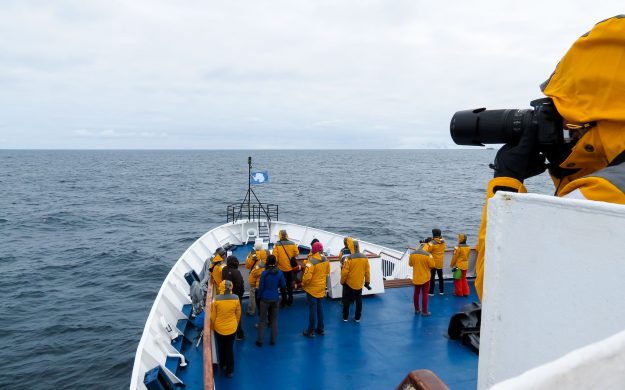
Antarctic Explorer: Discovering the 7th Continent
Don't just view Antarctica: hike, kayak, camp, ski, and climb it! This is an active person's polar dream trip for energetically engaging the ice.
From $15000 Per Person
Active

Three Arctic Islands: Iceland, Greenland and Spitsbergen
An award-winning Arctic expedition cruise that shows you the most dramatic coastline of Greenland, Iceland, and Norway's Spitsbergen Island. See icy fjords, rugged coastline, and massive glaciers. Along the way, encounter wildlife, including bearded, ringed, and harp seals, musk oxen, walrus, beluga, bowhead whales, and, of course, polar bears!
From $15000 Per Person
Active

Design an adventure with Journeys International!
With over 40 years of experience, we create experiences that match your goals.
Start Planning