
Following the Great Migration Adventure Tours
Following the Great Migration
The Great Migration is one of the world’s most remarkable wildlife events, but it isn’t a single spectacle that happens over a few weeks. It is a year-round movement of more than 1.5 million wildebeest, accompanied by hundreds of thousands of zebras and gazelles, as they follow seasonal rains across the Serengeti-Mara ecosystem in search of fresh grazing. The migration has no fixed schedule. Rainfall determines where the herds move, so every year is slightly different. Rather than asking, “When is the migration?” it’s better to ask, “Which part of the migration would you like to experience?” At Journeys, we design each safari around the season and your interests, whether you’re hoping to witness thousands of newborn calves, watch herds spread across the Serengeti plains, or experience the anticipation of a river crossing.
January to March: Calving Season
During the first months of the year, the herds gather across the short-grass plains of the southern Serengeti and the Ndutu region. Within just a few weeks, hundreds of thousands of wildebeest calves are born, creating one of the most productive wildlife periods of the year. For travelers, this is an excellent time to witness young animals taking their first steps while predators such as lions, cheetahs, hyenas, and leopards remain close behind. Wildlife viewing is exceptional, and the open plains make it easier to observe the interactions between predators and prey.
April and May: The Green Season
As the long rains arrive, the herds begin moving northwest through the central and western Serengeti. The landscape becomes lush and green, visitor numbers are lower, and photography benefits from dramatic skies and vibrant scenery. Although this period is often overlooked, it can be one of the most rewarding times to visit for travelers seeking a quieter safari experience.
June and July: Moving North
As the dry season begins, the migration continues toward the northern Serengeti. Large columns of wildebeest stretch across the plains as they move toward the Mara River. This is a time of anticipation, with predators closely following the herds and wildlife concentrations increasing throughout the park.
July to October: Mara River Crossings
For many travelers, the Mara River crossings are the most recognizable images of the migration. Wildebeest gather along the riverbanks before making unpredictable crossings into Kenya’s Maasai Mara or returning to Tanzania. No crossing can ever be guaranteed. Sometimes the herds wait for hours or even days before entering the water, while other crossings happen with little warning. This unpredictability is part of what makes the experience so compelling.
November and December: Returning South
As seasonal rains return to the southern Serengeti, the herds gradually begin their journey back toward the short-grass plains where the cycle will begin again. During this time, wildlife remains abundant, and travelers often enjoy excellent game viewing with fewer visitors than during the peak migration months.
Is there a best time to visit?
The answer depends on what you’d like to experience. If your goal is dramatic river crossings, late July through September often offers the best opportunities. If you’re interested in witnessing thousands of newborn animals and exceptional predator activity, January through March is hard to beat. If you prefer fewer vehicles, lush landscapes, and excellent wildlife viewing, the Green Season offers a rewarding alternative. The Serengeti is one of the few safari destinations where there truly isn’t a bad time to visit. Every season reveals a different chapter in the migration and offers its own memorable wildlife experiences.
Why travel with Journeys?
The migration isn’t something you “check off” a list. It is a constantly changing natural event influenced by rainfall, grazing conditions, and wildlife movements. Rather than planning around fixed dates, Journeys designs each itinerary with flexibility and local expertise. We work closely with experienced guides and trusted partners who monitor wildlife movements throughout the year, helping position travelers in the regions where they are most likely to enjoy meaningful wildlife encounters. Our goal isn’t simply to see the migration. It’s to help you understand the larger ecosystem that makes it possible—from the seasonal rains and vast grasslands to the predators, scavengers, and countless other species that are all part of this extraordinary natural cycle.
Customize Your Dream Adventure
We are here to help craft tailor-made adventures for individuals, couples, families, and groups of explorers.
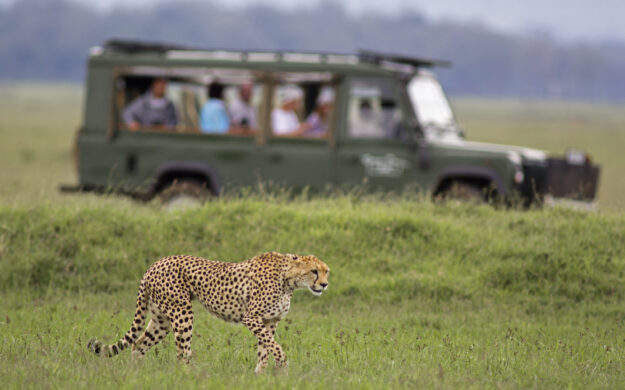
Kenya Great Game Safari
Traverse several parks in search of large game with renowned guide Makau Nzioka, among Kenya's best birders and naturalists.
From $7150 Per Person
Active
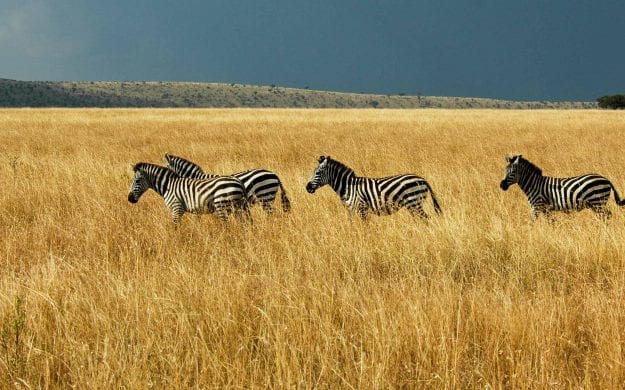
Tanzania & Kenya Wildlife Safari
The absolute best of East Africa! Tanzania's Tarangire, Lake Manyara, Serengeti and Ngorongo Crater. Kenya's Lake Nakuru and Masai Mara. Find the Big Five—elephants, lions, leopards, rhino and buffalo—as well as zebras, gazelles, giraffes, hippos, hyenas, baboons and much more.
From $8795 Per Person
Active

Karibu, Tanzania!
You'll see it all, lions, rhinos, zebras, hyenas, hippos, baboons, and more from the safety of your 4x4s. Also, visit the Hadzabe and Masai tribes. Stay in quaint safari camps and remote lodges along the way. A great option for a family safari!
From $6850 Per Person
Active

Kilimanjaro Summit, Safari & Zanzibar
This three-part trip includes the best of Tanzania! Start by climbing Kilimanjaro via the Rongai route, considered by many easier and more scenic than the main Marangu trail. Then, go on safari with the goal of seeing "the big five," and finish by relaxing on the beaches of Zanzibar island.
From $8895 Per Person
Demanding
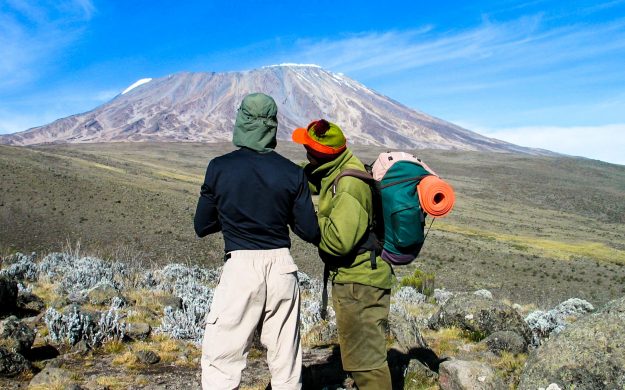
Climb Mount Kilimanjaro’s Machame Route
Experience the thrill of climbing Africa’s highest peak on the scenic Machame Route. Over ten days, trek through lush rainforests, open moorlands, and alpine desert, culminating at Uhuru Peak, the “Roof of Africa.”
From $5785 Per Person
Demanding


