Ngorongoro Crater Adventure Tours
Ngorongoro Crater
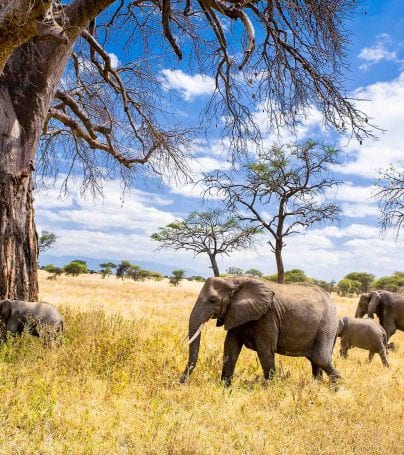
The Ngorongoro Crater is one of Africa’s most remarkable natural landscapes. Formed when a massive volcano collapsed more than two million years ago, the crater today encompasses nearly 100 square miles of grasslands, forests, wetlands, and freshwater springs. Its steep walls create a unique ecosystem where an extraordinary concentration of wildlife lives year-round. A drive onto the crater floor offers the opportunity to see a remarkable variety of animals in a single day. Lions, elephants, buffalo, zebras, wildebeest, hippos, hyenas, and numerous antelope species are commonly seen, along with one of Tanzania’s best opportunities to spot the endangered black rhinoceros. The crater’s lakes and marshes also support abundant birdlife, including flamingos and many migratory species. Unlike many wildlife areas where animals move across vast distances, the crater’s resident wildlife remains within this protected ecosystem throughout much of the year. The result is consistently rewarding game viewing set against a landscape that is as impressive as the wildlife itself. At Journeys, we value the Ngorongoro Crater not only for the diversity of animals found here but also for its role in Tanzania’s broader conservation story. As part of the Ngorongoro Conservation Area, this UNESCO World Heritage Site balances wildlife conservation with the traditions of the Maasai people, who continue to graze their livestock throughout the region. Visiting the crater provides an opportunity to experience one of Africa’s most amazing wildlife habitats while learning about the relationship between people, wildlife, and conservation.
In recent years, some populations of wildlife have increased, and some have decreased. Most of the wildlife within the crater does not migrate, though wildlife in the conservation area in general do migrate as part of the Serengeti wildebeest migration. Without migration, a problem is that a large portion of the lion population is inbred, with genetic problems passed on through the generations. On occasion, other male lions try to enter the crater but our typically run off by the male lions in the crater who are larger in size due to the abundance of food.
The crater itself, which formed when a giant volcano exploded and collapsed on itself some two to three million years ago, is 2,000 ft deep and its floor covers 100 square miles. Estimates of the height of the original volcano range from 15,000 to 19,000 feet high. The crater floor is mostly grasslands, but there are a few soda lakes and springs that provide water.
It really is spectacular to see.
Customize Your Dream Adventure
We are here to help craft tailor-made adventures for individuals, couples, families, and groups of explorers.

Karibu, Tanzania!
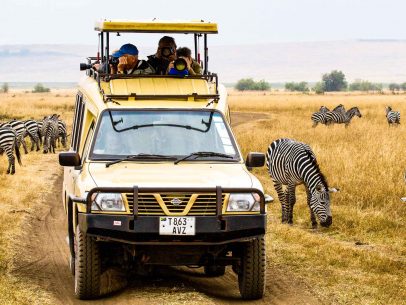
You'll see it all, lions, rhinos, zebras, hyenas, hippos, baboons, and more from the safety of your 4x4s. Also, visit the Hadzabe and Masai tribes. Stay in quaint safari camps and remote lodges along the way. A great option for a family safari!
From $6850 Per Person
Active

Kilimanjaro Summit, Safari & Zanzibar
This three-part trip includes the best of Tanzania! Start by climbing Kilimanjaro via the Rongai route, considered by many easier and more scenic than the main Marangu trail. Then, go on safari with the goal of seeing "the big five," and finish by relaxing on the beaches of Zanzibar island.
From $8895 Per Person
Demanding
Tanzania & Kenya Wildlife Safari
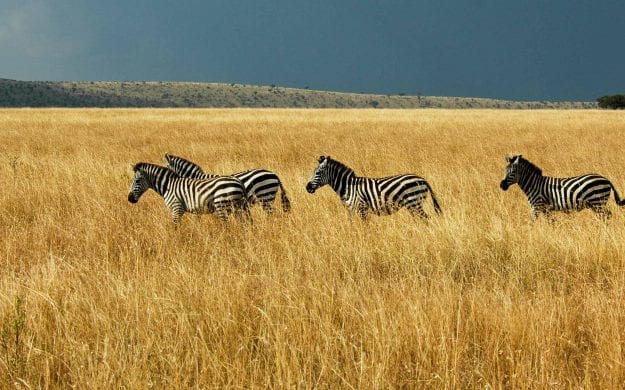
The absolute best of East Africa! Tanzania's Tarangire, Lake Manyara, Serengeti and Ngorongo Crater. Kenya's Lake Nakuru and Masai Mara. Find the Big Five—elephants, lions, leopards, rhino and buffalo—as well as zebras, gazelles, giraffes, hippos, hyenas, baboons and much more.
From $8795 Per Person
Active

Climb Mount Kilimanjaro’s Machame Route
Experience the thrill of climbing Africa’s highest peak on the scenic Machame Route. Over ten days, trek through lush rainforests, open moorlands, and alpine desert, culminating at Uhuru Peak, the “Roof of Africa.”
From $5785 Per Person
Demanding