Hadzabe Tribe Visit Adventure Tours
The Hadza, or also know as the Hadzabe, are an indigenous people with a culture of nomadic hunter gatherers. The reside in north-central Tanzania, living around Lake Eyasi in the central Rift Valley and in the neighboring Serengeti Plateau. The Hadzabe population is approximately 1,000. Most of them still living hunter-gatherers lives as they ancestors did for thousands of years. They have change little and are among the last hunter-gatherers in the world. The Hadza are not closely genetically related to any other people. Even their language appears to be isolated but primarily it is a type of click language. As descendants of Tanzania’s aboriginal hunter-gatherer population, they have probably occupied this area of Tanzania for thousands of years, with relatively little changes to their way of life until the past hundred years.
As populations increased in the 18th Century, the Hadzabe had increasing contact with farmers and other herders entering it’s territories. These interactions were often not friendly and they experienced a decline in their population. First European accounts of the Hadza are from the 19th century. Attempts to introduce farming and religion has largely failed. In recent years, they have been affected by tourism and hunting but some Hadzabe are using their way of life to teach travelers about them.
Customize Your Dream Adventure
We are here to help craft tailor-made adventures for individuals, couples, families, and groups of explorers.
Karibu, Tanzania!
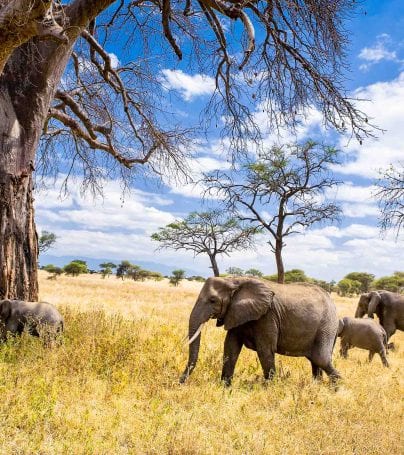
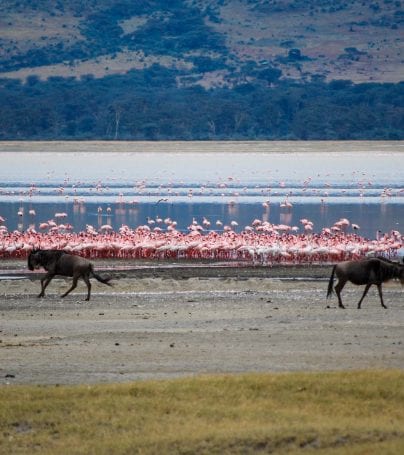
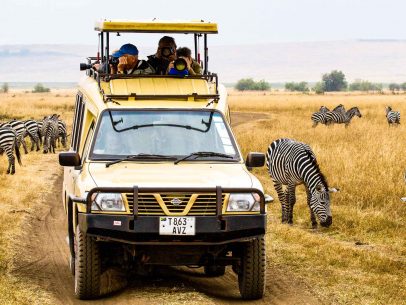
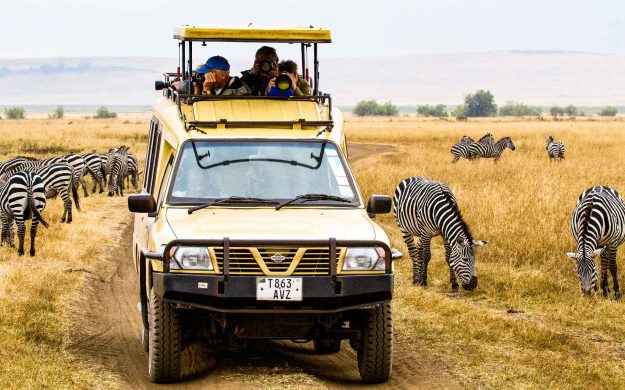
Originally a family safari, this itinerary was so popular that travelers sans kids started asking for it, too. You'll see it all—lions, rhinos, zebras, hyenas, hippos, baboons, and more—from the safety of your 4x4s. Stay in quaint safari camps and remote lodges along the way.
From $5850 Per Person
Active
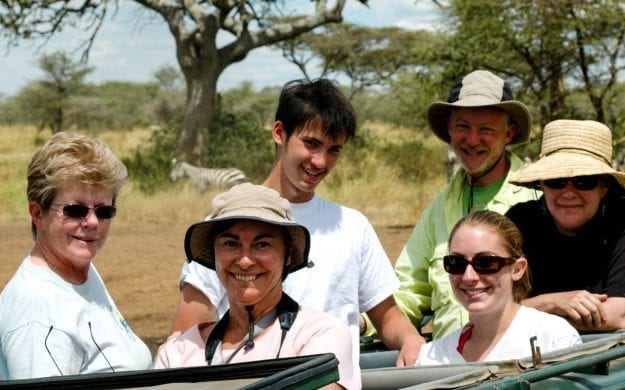
Karibu, Tanzania! Family Safari
The ultimate family safari! See it all—lions, rhinos, zebras, hyenas, hippos, baboons, and more. Following the great seasonal migration may be the most spectacular wildlife experience on earth. In addition to seeing great numbers of animals, you will spend time in a tribal village and visit the hunter-gatherer Hadzabe people. All generations of families are welcome!
From $5250 Per Person
Vigorous